
Welcome! This guide unlocks the potential of your Black and Decker bread machine, offering fresh-baked goodness; Explore diverse recipes and settings for delightful results, consistently.
Understanding Your Bread Machine’s Features
Your Black and Decker bread machine boasts versatile functionality! Explore pre-programmed settings for white, whole wheat, and even sweet breads. Adjust crust color to your preference – light, medium, or dark. Utilize the delay timer for freshly baked bread in the morning. The keep-warm function maintains optimal temperature post-baking. A viewing window allows monitoring, while the automatic shut-off ensures safety.

Components and Parts Identification
Familiarize yourself! Key parts include the bread pan, kneading paddle, control panel, housing, and viewing window – essential for successful baking experiences.
Bread Pan and Kneading Paddle
The bread pan is non-stick, ensuring easy loaf removal after baking; always ensure it’s securely locked into place. The kneading paddle, crucial for dough development, mixes and kneads ingredients effectively. Remove it before the baking cycle to avoid marks on your bread. Regularly inspect both for wear, and hand wash gently with warm, soapy water – avoid abrasive cleaners to preserve the non-stick coating and paddle’s integrity.
Control Panel Overview
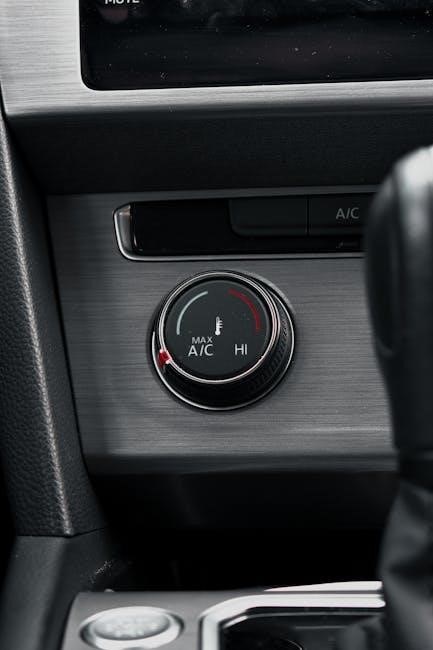
The control panel features buttons for cycle selection (Basic, Whole Wheat, Sweet, etc.), crust control (Light, Medium, Dark), and loaf size (1lb, 1.5lb, 2lb). A digital display shows cycle time remaining. The ‘Start/Stop’ button initiates or pauses operation. Familiarize yourself with each function for optimal bread-making; refer to the recipe guide for appropriate settings for each bread type.
Getting Started: First-Time Use
Before baking, thoroughly clean the pan and paddle. Run a test cycle without ingredients to burn off any manufacturing residue and ensure optimal performance.
Initial Setup and Cleaning
Unboxing and Preparation: Carefully remove your Black and Decker bread machine and all components. Before the first use, wipe down the exterior with a damp cloth. Crucially, wash the bread pan and kneading paddle with warm, soapy water. Ensure all traces of soap are rinsed away and thoroughly dry both items. This initial cleaning removes any potential residue from the manufacturing process, guaranteeing a pristine baking experience. A clean machine is a happy machine!
Running a Test Cycle
Confirming Functionality: To ensure optimal performance, run a test cycle before baking your first loaf. Add one cup of water to the bread pan, but no dough ingredients. Select the ‘Basic’ setting and a medium crust color. This cycle verifies the heating element, paddle rotation, and overall machine operation. Observe for any unusual noises or issues. This proactive step guarantees a successful baking journey!
Basic Bread Recipe – White Bread
Simple & Delicious: This classic white bread recipe is perfect for beginners, yielding a soft, flavorful loaf with minimal effort and readily available ingredients.
Ingredient Measurements and Order
Precision is Key: For optimal results, carefully measure all ingredients using liquid and dry measuring cups. Generally, add liquids first – water, milk, or oil – followed by sugar, salt, and finally, flour. Create a small well in the flour and add the yeast on top, ensuring it doesn’t directly contact the liquid. This prevents premature activation. The order matters for proper mixing and rising!
Step-by-Step Instructions for White Bread
Let’s Bake! Select the ‘Basic’ or ‘White Bread’ setting on your machine. Add ingredients in the order specified – liquids, then dry, with yeast last. Secure the bread pan and ensure the kneading paddle is properly attached. Press ‘Start’ and let the machine work its magic! A beep will signal completion. Carefully remove the loaf and enjoy fresh bread.
Advanced Bread Recipes
Expand Your Baking! Discover exciting variations like whole wheat, cinnamon raisin, and other sweet breads, utilizing unique ingredients and customized settings for delicious results.
Whole Wheat Bread Variations
Explore Nutritious Options! Experiment with 100% whole wheat for a hearty loaf, or blend it with white flour for a lighter texture. Add honey or molasses for sweetness, and consider incorporating seeds like flax or sunflower. Adjust liquid levels carefully, as whole wheat absorbs more moisture. Different brands of whole wheat flour yield varying results, so experimentation is key to achieving your perfect loaf. Remember to select the appropriate bread cycle on your Black and Decker machine for optimal rising and baking.
Sweet Bread Recipes (Cinnamon Raisin, etc.)
Indulge Your Sweet Tooth! For cinnamon raisin bread, gently fold in cinnamon-sugar and raisins during the dough cycle. Other variations include chocolate chip, cranberry walnut, or even pumpkin spice. Reduce yeast slightly when adding sugar. Ensure ingredients are well combined, but avoid overmixing. Utilize the “Sweet” or “Dessert” cycle on your Black and Decker machine for best results, and monitor crust color closely to prevent burning.
Using Different Settings
Customize Your Bake! Explore settings like crust control, loaf size, and specialized cycles—sweet, whole wheat, or rapid bake—for perfect bread every time.
Crust Color Control
Achieve Your Ideal Crust! Your Black and Decker bread machine offers adjustable crust settings – typically Light, Medium, and Dark. Selecting a darker setting extends baking time, resulting in a richer, more deeply browned crust. Conversely, a lighter setting produces a paler, softer crust. Experiment to discover your preferred level of crispness and color, tailoring each loaf to your exact taste preferences for a truly personalized baking experience.
Loaf Size Selection
Bake for Any Gathering! Many Black and Decker bread machines feature loaf size options – usually 1.5lb, 2lb, or 2.5lb. Choosing the correct size ensures optimal ingredient proportions and baking times. A smaller loaf is perfect for individuals or small families, while a larger loaf suits bigger households or entertaining guests. Always refer to your recipe for recommended loaf size guidance.

Troubleshooting Common Issues
Don’t despair! This section addresses frequent problems like rising failures or stuck paddles, providing solutions for consistently perfect loaves every time you bake.
Bread Not Rising Properly
Insufficient yeast is a primary culprit; ensure it’s fresh and measured accurately. Old yeast loses potency. Incorrect liquid temperature impacts activation – lukewarm is ideal. Too much salt inhibits yeast growth, while too little results in a flat loaf.
Ambient temperature matters; cold rooms slow rising. Expired ingredients can also contribute. Double-check measurements and consider a yeast proofing test before starting a new cycle.
Paddle Stuck in Bread
Damp dough is a common cause; reduce liquid slightly in future batches. Large ingredient pieces can wedge around the paddle. Ensure ingredients are properly measured and added in the correct order, as specified in your recipe.
Allow the loaf to cool completely before attempting removal. Gently loosen the paddle with a non-abrasive tool if needed, avoiding damage to the non-stick coating.
Cleaning and Maintenance
Regular cleaning ensures optimal performance and longevity. Wipe the exterior with a damp cloth and always thoroughly clean the bread pan and kneading paddle after each use.
Cleaning the Bread Pan and Paddle
After each baking cycle, promptly remove the bread pan and kneading paddle. Wash them with warm, soapy water, ensuring all dough residue is eliminated. For stubborn bits, soak them beforehand.
The pan and paddle are often non-stick coated; avoid abrasive cleaners or scouring pads to prevent damage. Thoroughly dry both components before reassembling and storing, preventing mold or odors. Dishwasher use may be possible – consult your model’s specific instructions.
Exterior Cleaning and Care
To maintain your Black and Decker bread machine’s appearance, wipe the exterior with a damp cloth regularly. Avoid harsh chemicals or abrasive cleaners, as they can damage the finish. For stubborn stains, a mild dish soap solution can be used, followed by a clean, damp wipe. Ensure the machine is unplugged and cool before cleaning. Never immerse the machine in water.
Understanding Error Codes
Decoding alerts is key! Your Black and Decker machine uses codes to signal issues. Refer to the manual for specific meanings and troubleshooting steps.
Decoding Common Error Messages
Error 1: Often indicates a power interruption during the cycle. Restart the machine, ensuring a stable power source. Error 2: Suggests the kneading blade is obstructed; carefully remove the bread pan and check for any blockages. Error 3: Typically means the unit is overheating – allow it to cool completely before resuming. Error 4: Signals a sensor issue; contact customer support for assistance. Always consult your manual for detailed explanations specific to your model.
What to Do When an Error Occurs
First, don’t panic! Unplug the bread machine immediately. Second, consult the error code list in your manual to identify the problem. Third, attempt simple fixes like re-seating the bread pan or restarting the cycle. If the error persists, avoid forcing operation. Finally, contact Black and Decker customer support for professional guidance and potential repair options.

Recipe Customization
Get creative! Enhance your loaves with fruits, nuts, or seeds. Adjust liquid levels carefully for desired texture, always following recipe guidelines for best results.
Adding Fruits, Nuts, and Seeds
Boost flavor and texture! Add up to 1.5 cups of fruits (dried is best), nuts, or seeds to your bread machine. Introduce these ingredients during the second kneading cycle, signaled by the machine’s beep. This prevents them from being crushed during initial mixing.
Ensure even distribution by gently pressing them into the dough. Consider chopping larger items for consistent results. Experiment with combinations – cranberries and walnuts, or sunflower seeds and raisins – to discover your favorites!
Adjusting Liquid Levels
Achieve perfect dough consistency! Liquid adjustments are crucial, especially with varying flour types or humidity. If the dough seems too dry, add liquid, one tablespoon at a time, until it forms a cohesive ball. Conversely, if it’s too sticky, add flour, also one tablespoon at a time.
Observe the dough during kneading; it should be slightly tacky but not overly wet. Accurate measurements are key for optimal bread texture and rise.

Gluten-Free Baking
Explore gluten-free options! Utilize specialized blends for best results, as gluten-free flours behave differently, requiring adjustments to liquid and settings.
Using Gluten-Free Flour Blends
Selecting the Right Blend: Gluten-free baking demands specific flour combinations. Pre-made blends often contain rice flour, tapioca starch, and potato starch, mimicking wheat’s texture. Experiment with different brands; results vary! Ensure your blend includes xanthan gum, crucial for binding, as gluten is absent.
Adjusting Liquids: Gluten-free flours absorb liquids differently. You may need to increase liquid slightly – start with an extra tablespoon and observe the dough consistency. A wetter dough is generally preferable for gluten-free loaves.
Specific Gluten-Free Recipe Considerations
Yeast Activation: Gluten-free doughs often benefit from proofing the yeast separately. Combine yeast with warm water and a touch of sugar; ensure it foams before adding to the machine. This verifies yeast viability.
Dough Consistency: Gluten-free doughs are typically stickier. Don’t add extra flour to compensate; trust the process! A slightly tacky dough yields a softer loaf. Monitor closely during the kneading cycle.

Safety Precautions
Important: Always unplug the machine before cleaning. Avoid immersing the appliance in water. Ensure proper ventilation during operation for safe baking experiences.
Electrical Safety Guidelines
Caution: To prevent electrical shock, never operate the bread machine with a damaged cord or plug. Do not use an extension cord unless absolutely necessary, and ensure it’s appropriately rated for the appliance’s wattage. Always unplug the machine from the outlet when not in use and before cleaning.
Avoid operating the bread machine in a damp environment or near water sources. If the appliance falls into water, do not attempt to retrieve it – immediately unplug it from the power source. Regular inspection of the power cord is crucial for safe operation.
Operating Safety Tips
Important: Never open the lid during the bread-making cycle, as hot steam may escape, causing burns. Always use oven mitts when handling the hot bread pan and kneading paddle after baking. Ensure the machine is placed on a stable, heat-resistant surface away from flammable materials.
Do not immerse the appliance body in water or any other liquid. Allow the machine to cool completely before cleaning or storing. Supervise children when the bread machine is in operation to prevent accidental contact with hot surfaces.
Warranty Information
Protect your investment! Register your Black and Decker bread machine for warranty coverage. Contact customer support for assistance with claims or questions.
Registering Your Product
Secure your benefits! Registering your Black and Decker bread machine online is quick and easy. Visit the official Black and Decker website and locate the product registration section. You’ll need your model number and purchase date. Registration confirms your ownership and activates your warranty, ensuring access to support and potential updates. Keep your proof of purchase safe, as it may be required for warranty claims. Don’t delay – register today for peace of mind!
Contacting Customer Support
Need assistance? Black and Decker provides multiple avenues for customer support. Visit their website for FAQs, troubleshooting guides, and live chat options. Alternatively, you can reach them via phone – find the number on their website or in your manual. Email support is also available. Be prepared to provide your model number and a detailed description of your issue for efficient assistance. Prompt support ensures a delightful baking experience!
Frequently Asked Questions (FAQ)
Common queries answered! Discover solutions to typical issues, recipe adjustments, and machine operation. Find helpful tips for perfect loaves, every time, easily.
Common User Queries Addressed
Q: Why isn’t my bread rising? Ensure yeast is fresh and properly measured. Check room temperature; it needs warmth. Q: Paddle stuck? Let cool completely before removal. Q: Can I pause the cycle? Some models allow pausing, consult your manual. Q: What crust setting should I use? Experiment to find your preference! Q: Can I use whole wheat flour? Yes, adjust liquids accordingly for best results.