The Tekmar thermostat manual offers a concise guide for homeowners, detailing setup, operation, and maintenance. It covers model variations, safety precautions, and step‑by‑step instructions to ensure optimal comfort and energy efficiency in any home environment. Supports Wi‑Fi voice control for homes!!
Overview of Tekmar Thermostat Models
Tekmar offers a diverse range of thermostat models designed to meet varying HVAC needs, from basic analog units to advanced digital systems. The lineup includes the classic Tekmar 2000, a reliable analog thermostat featuring a simple dial and a clear display for manual temperature control. Ideal for older HVAC setups, it requires wiring and offers operation.Add now!!.
For users seeking enhanced functionality, the Tekmar 3000 series introduces a digital interface with programmable schedules, modes, and a screen. This model supports Wi‑Fi connectivity, allowing remote access via the Tekmar mobile app, and can integrate with smart home ecosystems such as Alexa and Google Assistant.
High‑end models like the Tekmar 4000 and Tekmar 5000 provide control, multi‑zone management, and detailed energy usage reports. These thermostats come equipped with a touchscreen display, offering intuitive navigation and real‑time monitoring of indoor climate conditions.
Each model is engineered to be compatible with a wide range of HVAC systems, including furnaces, heat pumps, and air‑conditioning units. The manual details wiring diagrams, installation steps, and safety guidelines to ensure proper integration with existing infrastructure.
Whether you need a simple, low‑maintenance thermostat or a feature‑rich, network‑capable device, Tekmar’s product family offers solutions tailored to diverse home environments and user preferences.

Getting Started
Begin by reading the safety instructions, then locate the thermostat’s power source. Remove the back panel, identify the wiring terminals, and connect each wire according to the diagram. Once wired, press the reset button to initialize the unit and verify operation. All set! Stay cool.!!
Unboxing and Physical Inspection
Take note of the thermo’s back marks. The C terminal is essential for cont power, while the R terminal supplies the heating circuit. The Y terminal controls the cooling system. The G terminal manages the fan. The O terminal is for rev valves in heat-pump units. Proper identifying these terminals will prevent wiring errors and ensure efficient operation day today. During the unboxing process, inspect the packaging for any damage or missing parts. The box typically contains a quick‑start guide, a mounting plate, screws, and a power adapter if required. Carefully remove the protective film from the display and back panel. The thermostat unit is lightweight, measuring approximately 120 mm × 60 mm × 20 mm, and features a 2.8‑inch color LCD with a touch interface. The back panel hosts the wiring terminals, labeled R, W, Y, G, O, C, and a battery compartment for older models. Verify that all components are present: the mounting plate, screws, and the optional remote control. Check the battery compartment for a 3‑V CR2032 if the model requires it, and ensure the battery is installed correctly. The mounting plate should have pre‑drilled holes that match standard wall anchors. The quick‑start guide includes a wiring diagram and safety warnings. Confirm that the unit’s serial number matches the label on the back. Finally, inspect the display for scratches or defects, and test the touch screen by pressing each button. If everything appears intact, you are ready to proceed to the installation phase. Good luck! Enjoy comfort! Stay cool today.
Installation Guide
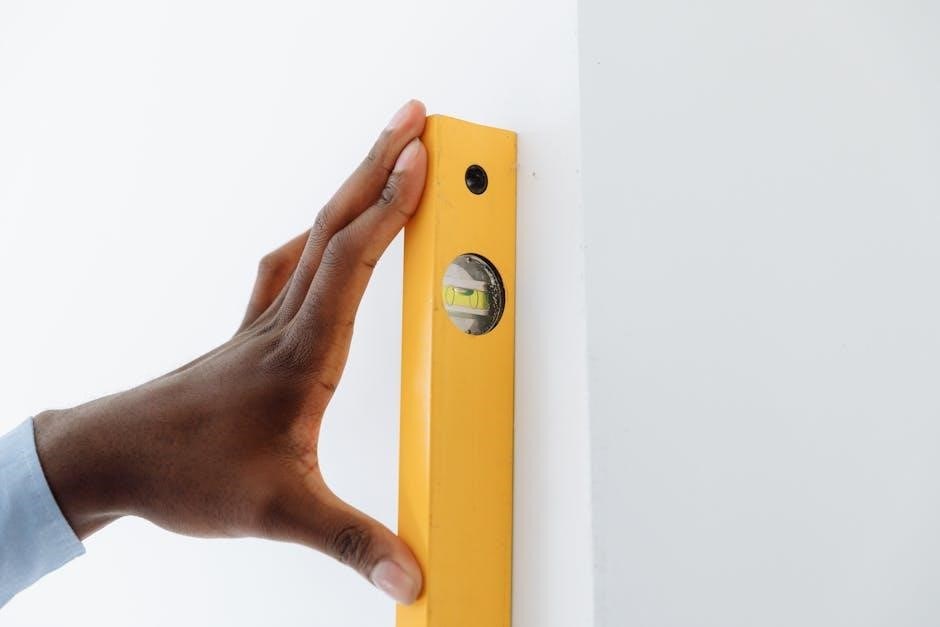
Mount the thermostat on a wall using the supplied plate, ensuring it sits level. Connect the wiring terminals: R to heating, W to furnace, Y to AC, G to fan, O to reversing valve, C to common. Use the wiring diagram for reference. Test power and verify display. for safe use. Enjoy.
Wiring the Thermostat to Your HVAC System
Before beginning, turn off the power at the breaker to avoid electrical shock. Remove the existing thermostat faceplate and note the wiring configuration. Identify the terminal labels on the new Tekmar unit: R (24V), W (heat), Y (cool), G (fan), O (reversal), and C (common). If your system uses a 24‑V transformer, connect the R wire to the R terminal. For models lacking a C terminal, use the C‑wire adapter or add a common wire from the HVAC control board. Attach the W wire to the W terminal; if you have a multi‑stage furnace, use W1 and W2 as indicated. Connect the Y wire to the Y terminal for air conditioning. The G wire goes to the G terminal to control the fan. If your system has a reversing valve for heat‑pump operation, connect the O wire to the O terminal. Finally, double‑check all connections, tighten terminal screws, and replace the faceplate. Restore power, then use the on‑screen menu to verify that each terminal is correctly recognized. Test the system by cycling through heat, cool, and fan modes to ensure proper operation. This wiring procedure ensures reliable communication between the thermostat and HVAC components, maximizing comfort and efficiency.
During final testing, use the thermostat’s diagnostics to confirm each zone responds correctly. If a zone fails, check wiring for loose connections or reversed polarity. For multi‑zone systems, verify zone IDs match the thermostat’s zone numbers. Finally, now set fan mode to “Auto” so the HVAC system determines optimal fan speed, improving airflow and cutting energy waste.

Setting Up the Thermostat
Begin by selecting your preferred temperature units and time zone. Use the touchscreen to set the current date and time, then choose your heating and cooling schedules. Adjust fan speed, set eco‑mode, and enable away alerts for optimal comfort and savings. All settings sync automatically
Configuring Temperature Settings and Schedules
Advanced users can use the “Custom Mode” to set temperature limits for rooms via Bluetooth‑enabled sensors. Pair sensors to create zone‑based schedules that heat or cool only where needed, cutting waste. Humidity sensor triggers dehumidification periods, improving quality. Firmware supports OTA updates, so new features install without replacing hardware. Keep firmware current via the Tekmar app, which guides you through seamless upgrades.
Advanced Features
Tekmar’s advanced functions include voice‑assistant integration, geofencing, and energy‑usage analytics; The mobile app logs consumption, offers predictive maintenance alerts, and lets you tweak schedules remotely. Custom firmware extensions allow third‑party plug‑ins. Use the scheduling wizard to create profiles and save energy!!
Using the Tekmar Mobile App Integration
Step-by-step instructions for pairing the thermostat with the official Tekmar mobile app, available on iOS and Android. First, download the app from the App Store or Google Play, then create or log into your Tekmar account. Open the app’s “Add Device” menu and scan the QR code displayed on the thermostat’s front panel. The app will automatically detect the device and prompt you to confirm the pairing. Once connected, you can view real-time temperature readings, humidity levels, and HVAC status. The dashboard offers a clean interface with large icons for heating, cooling, and fan modes. You can adjust setpoints with a simple slider or tap the numeric keypad for precise values. Scheduling is handled through the “Schedule” tab, where you can create multiple time blocks for weekdays and weekends, set temperature curves, and enable or disable the system during vacations. The app also supports geofencing: enable the feature to have the thermostat switch to eco mode when you leave the house and return to comfort mode. Energy-usage reports appear in the “Analytics” section, displaying daily, weekly, and monthly consumption graphs that help you identify peak usage periods. For advanced users, the “Developer” tab allows firmware updates, custom scripts, and API keys for integration with third-party smart home platforms. If the thermostat loses connectivity, the app will notify you with a push alert and suggest troubleshooting steps such as resetting the Wi‑Fi module or checking the router’s SSID and password. Finally, the app’s “Support” page links to troubleshooting guides, FAQs, and the Tekmar customer service chat for immediate assistance. By mastering these features, you can fully automate your home climate control, reduce energy bills, and enjoy a comfortable living environment with minimal effort. Enjoy seamless control!! Stay tuned
Troubleshooting Common Issues
Common issues include Wi‑Fi disconnects, sensor errors, or display glitches. Check power, reset the thermostat, verify wiring, and update firmware. If problems persist, consult the diagnostic menu for error codes, then contact Tekmar support for resolution. Use the diagnostics or the app to identify error codes.
Resolving Communication Errors with the Control Board
When the Tekmar thermostat fails to communicate with the HVAC control board, the display may show a “Comm Error” or the system may not respond to temperature changes. Follow these steps to isolate and resolve the problem.
- Verify Power Supply: Ensure the thermostat’s battery or AC power is stable.
- Check Wiring Connections: Inspect all terminal connections on the thermostat and the control board.?!
- Confirm Firmware Version: Use the mobile app or the thermostat’s menu to check the firmware.
- Reset the Thermostat: Perform a soft reset via the menu, then a hard reset by removing the battery for 30 seconds. This clears cached settings that may block communication. now
- Inspect the Control Board: Look for visible damage, burnt components, or a reset button that may have been triggered. If the board shows a fault LED, refer to the board’s manual for error codes.
- Re‑pair the Wireless Link: If the thermostat uses a Zigbee or Z‑Wave module, re‑pair the device through the hub’s interface. Ensure the module’s firmware is current.
- Check for Interference: Other wireless devices, microwaves, or thick walls can interfere. Move the thermostat or the hub to a clearer location.
Resolve communication issues. If the problem persists, seek help. Contact support if problems continue. We are here to help Ok
Maintenance and Care
Regular maintenance keeps your Tekmar thermostat running smoothly. Clean the sensor area with a soft brush, replace batteries every 12 months, and inspect wiring for corrosion. Store the unit in a dry place when not in use. Follow the manual for detailed care steps. Replace batteries when the lights dim.
Cleaning the Thermostat and Replacing Batteries
Proper care of your Tekmar thermostat ensures longevity and reliable performance. Begin by turning off the HVAC system and disconnecting the thermostat from the power source. Use a soft, lint‑free cloth lightly dampened with water or a mild cleaning solution to wipe the outer face, avoiding excess moisture that could seep into the electronics. For the display, a microfiber cloth works best; gently remove smudges without scratching the screen. If dust accumulates around the sensor area, use a small brush or compressed air to dislodge particles. Never use abrasive cleaners, solvents, or high‑pressure spray, as these can damage the casing or internal components.
Battery replacement is a routine task that should be performed every 12 months or when the low‑battery indicator lights up. Open the battery compartment by sliding the cover along the edge; most models use two AA or AAA cells. Remove the old batteries, noting the polarity orientation, and insert fresh ones. After replacement, re‑close the compartment and power the thermostat back on. Verify that the display shows the correct time and that the system responds to temperature adjustments.
After cleaning and battery replacement, re‑install the thermostat on the wall plate, reconnect the wiring according to the wiring diagram, and restore power to the HVAC system. Perform a quick test by setting a new temperature and confirming the HVAC unit responds.
For long‑term reliability, schedule a full cleaning every six months, especially in dusty environments. Keep the thermostat away from direct sunlight, which can cause the display to fade. If you notice any corrosion on the battery contacts, gently clean them with a cotton swab and a small amount of isopropyl alcohol. Always ensure the thermostat is powered off before touching internal components to avoid electrical shock. Following these simple steps will help maintain optimal performance and extend the lifespan of your Tekmar thermostat. Remember to replace batteries when the low‑battery indicator lights, and keep the thermostat in a dry, shaded area to prevent moisture buildup and check for corrosion!!

Warranty and Support
Tekmar offers a 2‑year limited warranty covering manufacturing defects and a 1‑year service warranty for installation. Contact support via phone, email, or live chat. Keep the receipt and serial number handy for quick claims and troubleshooting assistance.Fast resolution.now!
Contacting Tekmar Customer Service
For assistance with your Tekmar thermostat, reach out to customer service through multiple convenient channels. The official Tekmar website hosts a dedicated support portal where you can submit tickets, view troubleshooting guides, and download firmware updates. Live chat is available Monday through Friday, 9 a.m. to 6 p.m. Eastern Time, offering real‑time help from certified technicians. For urgent hardware problems, you may request a service technician by filling out the on‑line service request form; Tekmar will schedule a visit within 48 hours in most regions. Email support is available at support@tekmar;com, and responses typically arrive within 24 hours. If you have a registered product, log in to your Tekmar account to access personalized service history, warranty status, and exclusive resources. Remember to have your model number, serial number, and purchase receipt ready, as this information expedites the support process. Tekmar’s commitment to customer satisfaction means that every inquiry is handled with professionalism, ensuring that your thermostat operates reliably and efficiently. For additional resources, consult the user manual, FAQ section, or community forums on the Tekmar website. Should you need to return a defective unit, follow the return instructions provided in the warranty documentation and a prepaid shipping label will be supplied. Byleveraging these supportoptions, you can resolve issues quickly and maintain optimal comfort in your home. Contact support for quick assistance!!